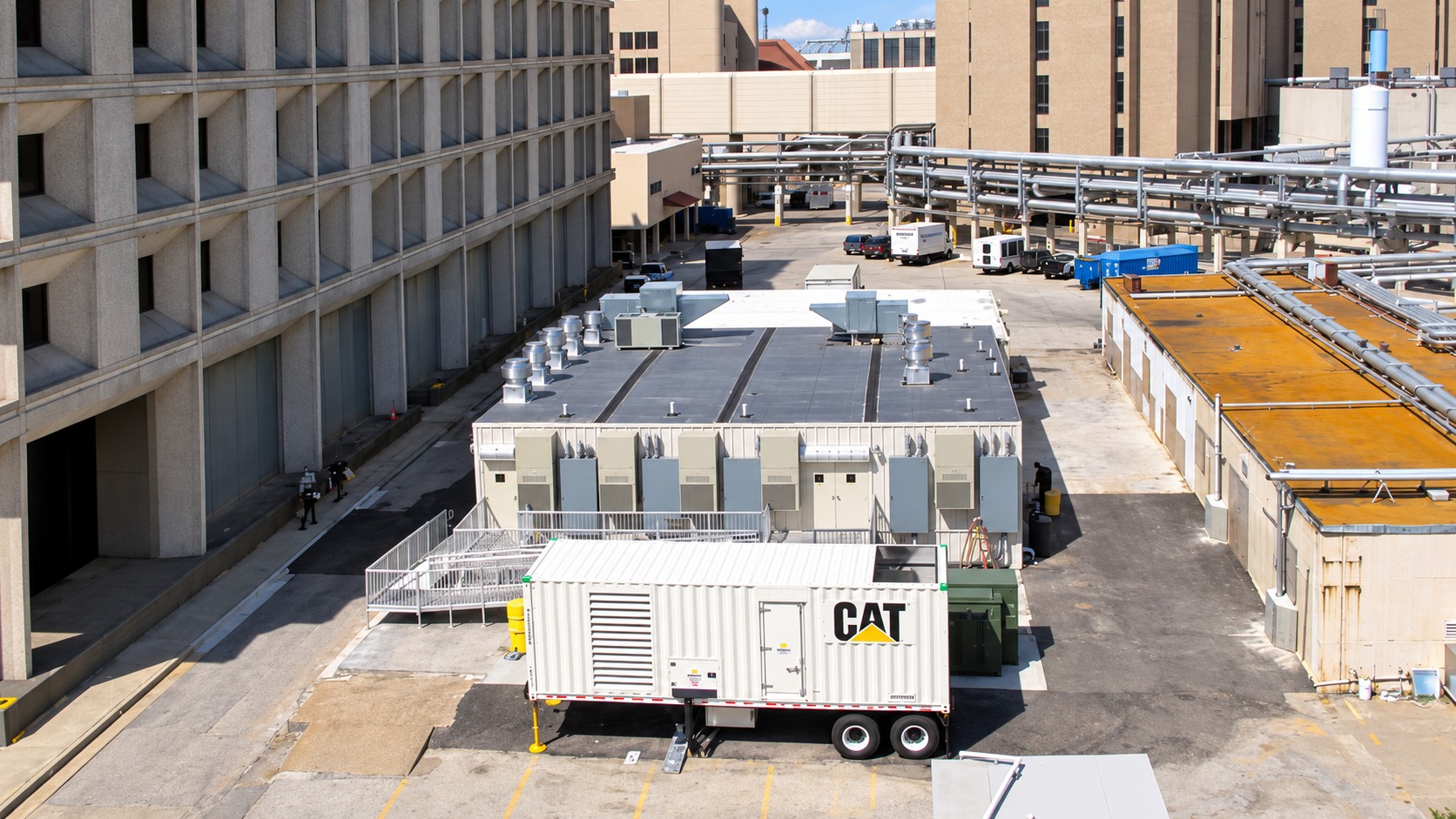
When a commercial kitchen becomes unusable following a fire, flood, storm, equipment failure, or other unexpected event, maintaining food service can quickly become a critical operational challenge.
For hospitals, correctional facilities, schools, senior living communities, and other institutions, meal production is an essential service that cannot simply be suspended while repairs are completed.
A temporary commercial kitchen can provide an alternative food production facility, allowing organizations to restore meal service while their permanent kitchen undergoes repairs, restoration, or reconstruction.
When Disaster Strikes, Food Service Still Matters
Unexpected kitchen closures create challenges that extend beyond damaged equipment or interrupted utilities.
Institutional foodservice operations must continue meeting the nutritional needs of patients, residents, students, inmates, and employees.
Depending on the circumstances, organizations may initially rely on catered meals, prepared foods, or other short-term arrangements. However, these solutions may become difficult or costly to sustain when restoration work extends over several weeks or months.
A temporary kitchen provides an alternative by establishing commercial food production capabilities at an available location.
Assess Your Immediate Foodservice Requirements
The first step in planning a temporary kitchen following an emergency is determining which operations must be restored.
Consider your daily meal volume, number of meal periods, dietary requirements, and available foodservice resources.
Some facilities may still have access to refrigeration, dry storage, or serving areas. Others may require a completely self-contained temporary foodservice operation.
The extent of the damage, available infrastructure, and anticipated recovery timeline will help determine the appropriate temporary kitchen configuration.
Choose a Temporary Kitchen Configuration
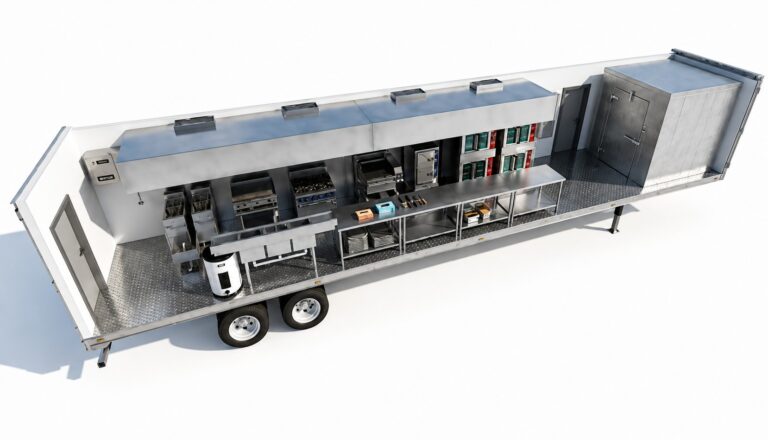
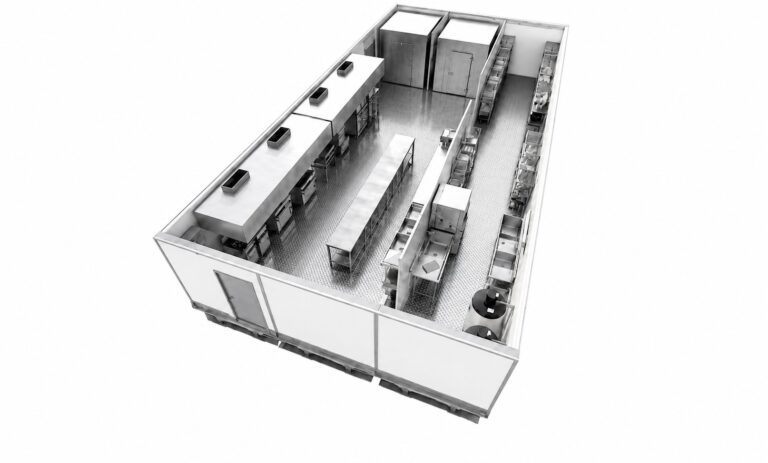
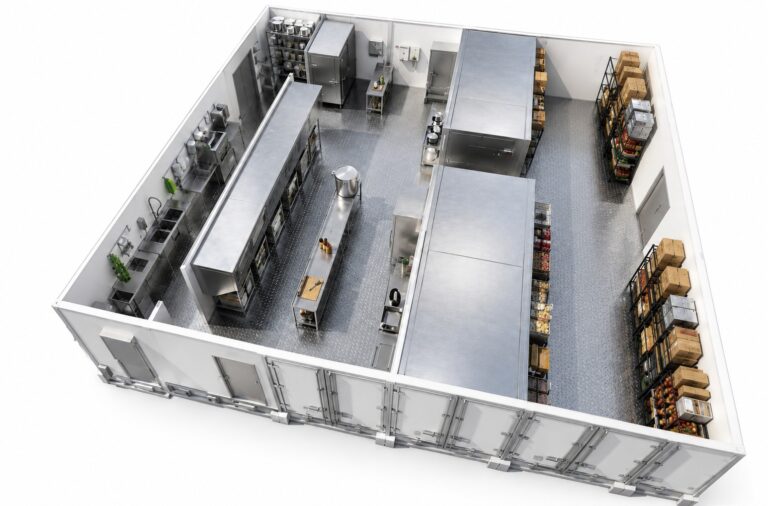
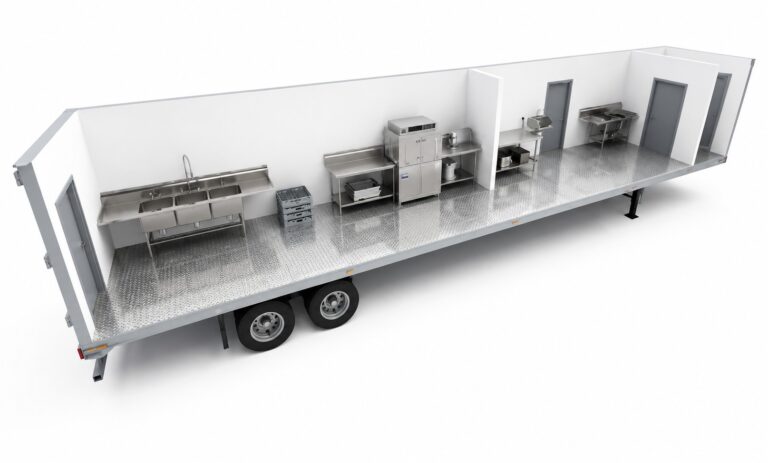
Temporary kitchen facilities can be configured to accommodate different levels of food production.
Depending on operational requirements, a facility may include:
- Commercial cooking equipment and ventilation
- Food preparation and work areas
- Commercial dishwashing equipment
- Walk-in refrigeration and freezer storage
- Dry storage
- Handwashing and sanitation facilities
- Multiple connected units for larger operations
A smaller institution may be supported by a single production kitchen, while a hospital, correctional facility, or large institutional foodservice operation may require a multi-unit temporary kitchen.
KCI Temporary Kitchens offers individual kitchen units, multi-unit configurations, and customized facilities designed around the specific needs of an operation. See our models.
Identify a Suitable Installation Location
During disaster recovery, the original kitchen location may not be accessible or safe for continued use.
Identifying an alternative installation area is an important part of the planning process.
Potential locations may include existing parking areas, paved service areas, or other suitable spaces near the facility.
The selected location should accommodate delivery access, installation requirements, utility connections, employee circulation, food deliveries, and ongoing maintenance.
Site conditions should also be evaluated to ensure the temporary kitchen can remain accessible throughout the recovery process.
Establish Utility Requirements
Temporary commercial kitchens require appropriate utility infrastructure to operate.
Depending on the equipment and configuration, requirements may include electrical service, domestic water, sanitary sewer, and gas connections.
Following a disaster, existing utilities may be damaged or unavailable. Temporary services or alternative connection locations may need to be evaluated.
KCI provides the utility requirements and exterior connection information for the temporary kitchen facility. The customer and appropriate licensed contractors are responsible for preparing the site and completing final utility connections.
Early coordination between the facility, restoration contractors, utility providers, and temporary kitchen supplier can help minimize unnecessary delays.
Coordinate Installation and Startup
Once the site is prepared and the temporary kitchen is available for delivery, the installation process can begin.
KCI coordinates transportation, blocking and leveling, equipment startup, testing, and operational training.
The project team should allow sufficient time for final utility connections, any required inspections and approvals, and foodservice staff preparation before the temporary kitchen begins operation.
Disaster recovery projects often involve multiple contractors and rapidly changing site conditions. Establishing clear responsibilities and coordinating schedules can help simplify the installation process.
Plan for Extended Recovery Periods
Some kitchen disruptions can be resolved relatively quickly. Others may require extensive repairs, equipment replacement, or complete reconstruction.
Temporary kitchen planning should account for a realistic recovery schedule.
Organizations should consider the potential duration of temporary operations, including time for construction, inspections, permanent equipment commissioning, and transitioning foodservice back into the restored facility.
A temporary commercial kitchen can support continued meal production throughout an extended recovery period without requiring the institution to rely exclusively on outside meal preparation.
Protect Foodservice Continuity
A disaster recovery plan should address more than restoring physical kitchen space.
Foodservice directors and facility managers should also evaluate staffing, supply deliveries, food storage, meal distribution, sanitation, and emergency procedures.
Any food, equipment, or storage areas exposed to potentially unsafe conditions should be evaluated according to applicable food safety requirements before reuse.
A temporary kitchen can become a central component of the recovery plan, but successful operations depend on coordination between the facility’s foodservice team, administration, contractors, and local authorities.
Prepare Before an Emergency Occurs
Although unexpected events cannot always be prevented, institutions can reduce potential disruptions by incorporating temporary foodservice into their business continuity planning.
Knowing where a temporary kitchen could be located, what utility connections may be available, and which foodservice functions must continue can help organizations respond more effectively when their permanent kitchen becomes unavailable.
Organizations planning for emergency foodservice continuity should evaluate their needs before an actual disruption occurs.
Temporary Kitchen Solutions for Disaster Recovery
KCI Temporary Kitchens has provided temporary commercial kitchen facilities for institutional foodservice operations since 1997.
From individual production kitchens to large, multi-unit facilities, KCI designs, fabricates, and deploys commercial kitchen solutions to help organizations maintain foodservice operations during renovations, construction projects, and unexpected facility disruptions.
Need a Temporary Kitchen After an Emergency?
Whether your facility has experienced an unexpected kitchen closure or you’re developing a foodservice continuity plan, KCI can help evaluate your temporary kitchen requirements.
Contact KCI Temporary Kitchens to discuss your meal volume, equipment needs, available site conditions, and anticipated recovery schedule.