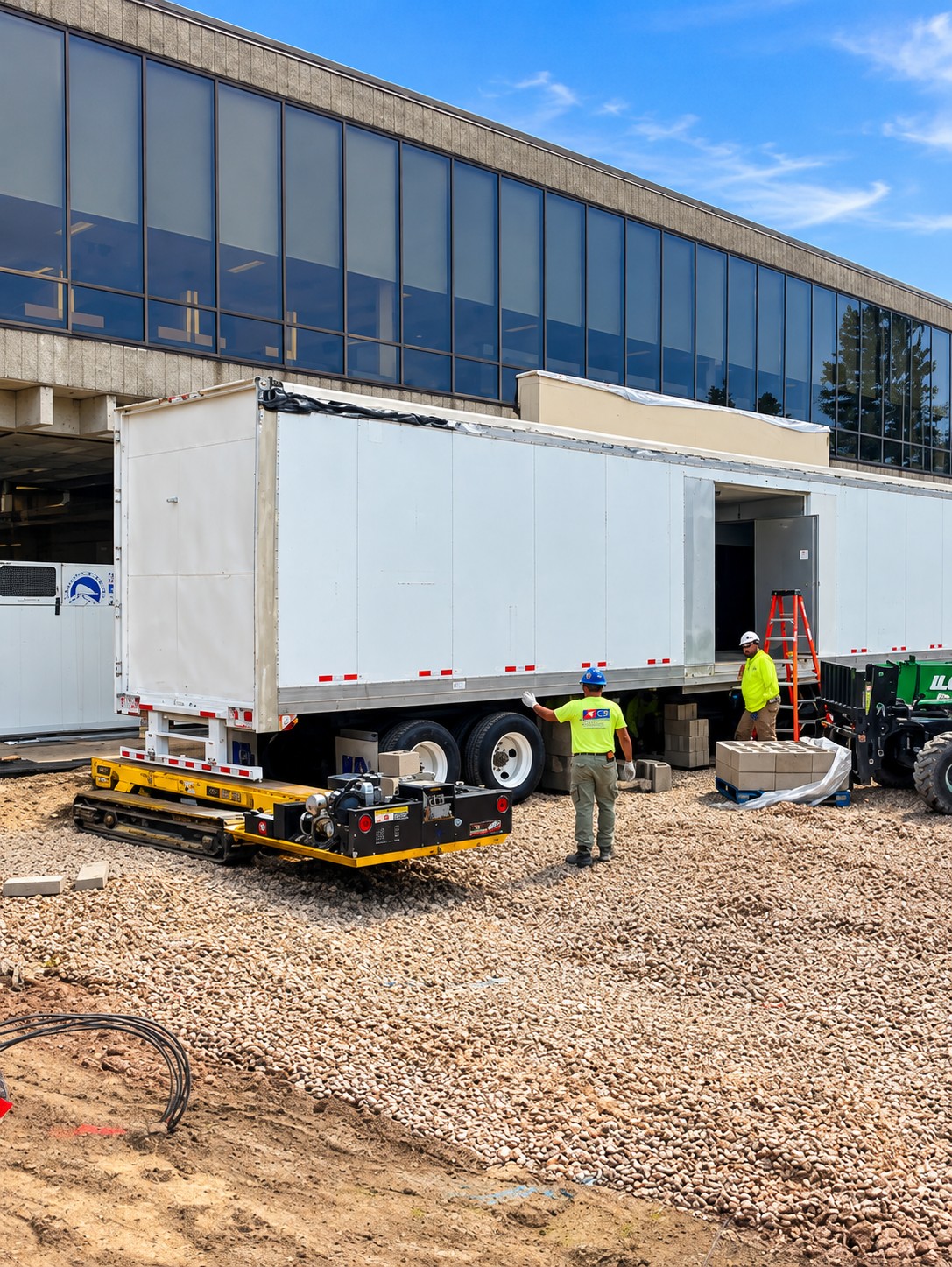
Temporary Kitchen Installation Timeline
When planning a kitchen renovation, new construction project, or temporary foodservice operation, one of the most important questions is how long it will take to get the temporary kitchen operational.
The answer depends on several factors, including facility size, equipment requirements, availability, site conditions, utility connections, and the complexity of the installation.
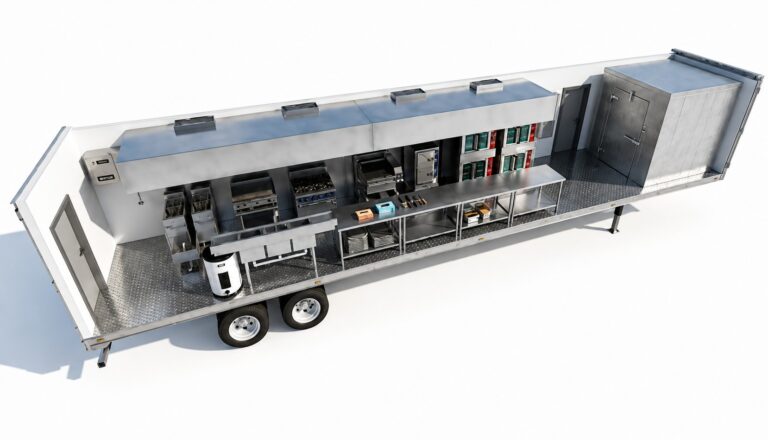
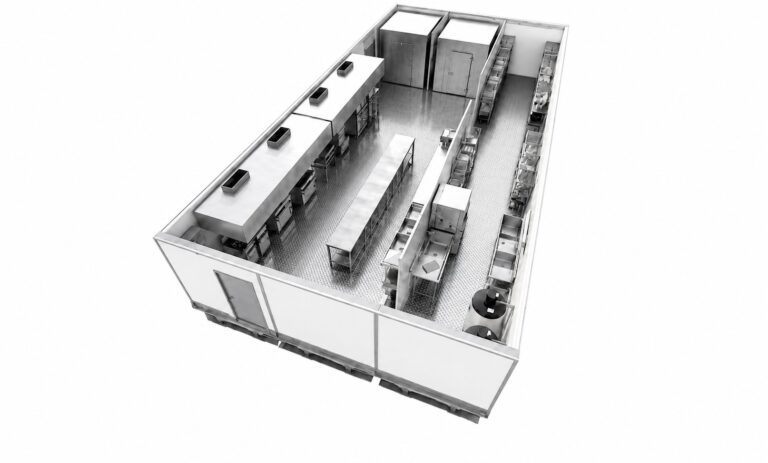
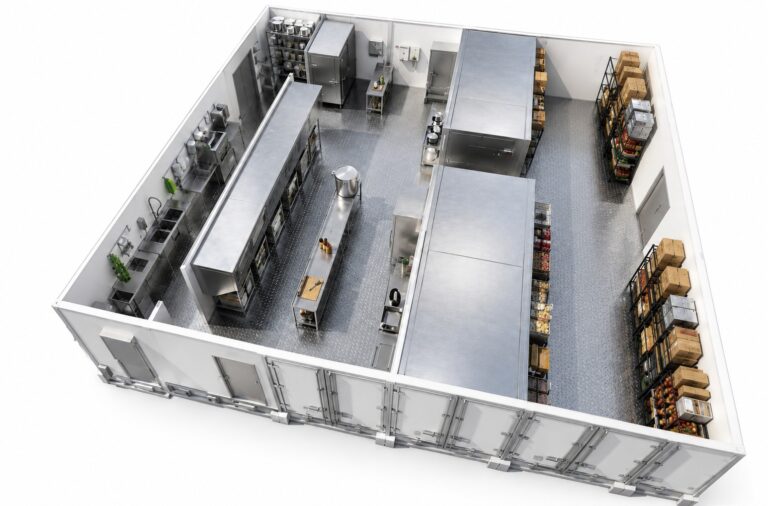
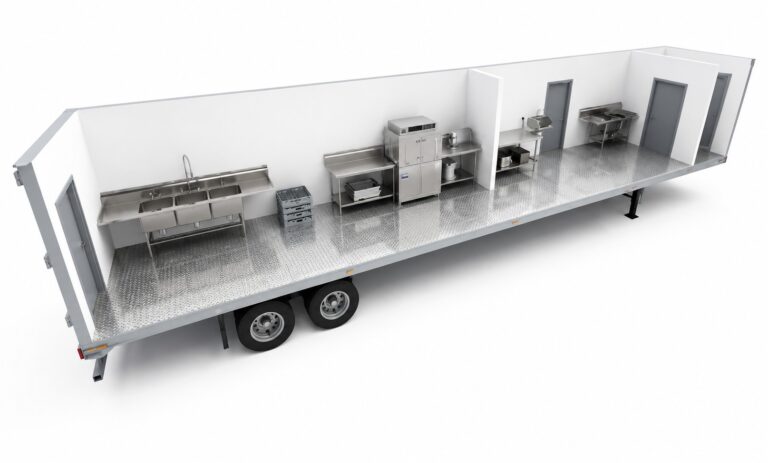
A single production kitchen can generally be deployed more quickly than a larger multi-unit facility requiring multiple connected trailers, dedicated preparation areas, dishwashing, refrigeration, and storage.
Understanding the different phases of a temporary kitchen project helps owners, general contractors, and foodservice teams develop realistic schedules and coordinate the transition from their existing kitchen.
Understanding the Temporary Kitchen Timeline
There is an important difference between the time needed to prepare a temporary kitchen for delivery and the time required to install it onsite.
A typical project involves several phases:
Planning and Configuration → Facility Preparation → Transportation → Installation → Utility Connections → Startup and Testing → Operational Readiness
Some of these activities can take place simultaneously. For example, site preparation and utility work may proceed while KCI prepares the temporary kitchen facility for delivery.
Coordinating these activities early can help reduce unnecessary delays.
1. Planning and Facility Configuration
The first step is determining the temporary kitchen’s operational requirements.
Before a facility can be selected or configured, the project team should establish:
- Meals produced per day
- Menu and cooking methods
- Required commercial kitchen equipment
- Food preparation and warewashing needs
- Refrigerated, frozen, and dry storage requirements
- Number of employees
- Project duration
- Proposed installation location
Some operations may be adequately supported by a single production kitchen. Others may require a larger facility incorporating several connected units.
The more information available during the initial planning stages, the easier it is to establish an appropriate configuration and deployment schedule.
2. Temporary Kitchen Availability and Preparation
The selected configuration can significantly affect how quickly a facility can be ready for transportation.
Existing available units may require equipment adjustments, inspection, servicing, or refurbishment before deployment.
Larger multi-unit facilities may require additional coordination, customization, and preparation.
KCI Temporary Kitchens designs, fabricates, and prepares its temporary commercial kitchen facilities at its Chesapeake, Virginia location.
Facility availability and the extent of required modifications should be confirmed early so the anticipated delivery date can be incorporated into the overall construction schedule.
3. Transportation and Delivery
Once the temporary kitchen is ready, transportation must be coordinated to the project site.
Delivery scheduling depends on the number of units, project location, transportation logistics, and the accessibility of the installation area.
For multi-unit facilities, individual trailers may need to be delivered and positioned in a particular sequence.
Before transportation is scheduled, the project team should confirm that the delivery route and installation area are ready.
Potential obstacles include narrow entrances, limited turning areas, construction fencing, overhead utilities, parked vehicles, or equipment staging.
An installation area that is not accessible when the trailers arrive can disrupt the planned schedule.
4. Positioning, Blocking, and Leveling
After delivery, the temporary kitchen units must be positioned at their designated location.
KCI’s installation team coordinates the placement, blocking, and leveling of the temporary kitchen facility.
For larger configurations, multiple units must be aligned and connected to create the intended kitchen layout.
The complexity of this process depends on the number of units, available installation space, ground conditions, and the design of the facility.
A properly prepared installation area allows this phase to proceed more efficiently.
5. Utility Connections
Temporary commercial kitchens require utilities to operate, just like permanent foodservice facilities.
Depending on the equipment configuration, these may include electrical service, potable water, sanitary sewer, and natural gas or propane.
KCI provides the utility connection requirements for the selected facility.
The customer or general contractor typically coordinates the necessary site infrastructure and final connections through the appropriate licensed contractors, as established in the project agreement.
Utility work can be one of the most important factors affecting the operational start date.
When the required infrastructure is prepared before delivery, final connections can be coordinated more efficiently with the installation schedule.
6. Startup, Testing, and Inspections
Once the facility is installed and utilities are connected, the equipment and systems must be prepared for operation.
This phase can include:
- Verifying electrical and mechanical systems
- Testing commercial cooking equipment
- Checking refrigeration and freezer operation
- Evaluating water and wastewater connections
- Testing ventilation and related systems
- Confirming required safety equipment
- Completing applicable inspections and approvals
KCI coordinates equipment startup and testing associated with the temporary kitchen and provides operational familiarization to the foodservice team.
Any required regulatory approvals must be completed before the facility begins food production.
7. Preparing the Foodservice Team
A temporary kitchen is not fully ready simply because the equipment is installed.
Employees also need to understand the temporary layout, equipment, storage arrangements, and food production workflow.
Before beginning regular service, the foodservice team should confirm that inventory, supplies, cleaning materials, and other operational necessities are available.
Depending on the institution, a trial production period or limited initial meal service may be useful before the permanent kitchen is taken out of operation.
Planning for the operational transition helps reduce the risk of disrupting daily meal service.
What Can Delay a Temporary Kitchen Installation?
Several common issues can affect the timeline:
- Incomplete site preparation: The placement area is not ready to receive the units.
- Utility delays: Electrical, plumbing, or gas infrastructure has not been completed.
- Access restrictions: Delivery trucks or placement equipment cannot reach the installation location.
- Late configuration changes: Equipment or layout requirements are modified after preparation begins.
- Permitting and inspections: Required approvals have not been obtained or scheduled.
- Construction conflicts: Other site activities interfere with installation access or utility work.
Many of these issues can be reduced through early coordination between the facility owner, general contractor, foodservice team, and temporary kitchen provider.
How Early Should You Begin Planning?
For planned renovations and new construction projects, temporary kitchen coordination should begin during the early planning or preconstruction phase.
The temporary kitchen should be included in the overall project schedule rather than treated as an activity that begins when the permanent kitchen is ready to close.
Early planning allows the project team to identify the appropriate facility, coordinate utility infrastructure, evaluate delivery access, and establish a realistic installation schedule.
For emergency situations, the process may need to be accelerated based on available facilities and site conditions.
Frequently Asked Questions
Can a temporary kitchen be installed in just a few days?
Certain installations may be completed relatively quickly once the facility is onsite and the site is ready. However, delivery, positioning, utility connections, testing, and any required inspections must all be considered before establishing an operational start date.
Do larger temporary kitchens take longer to install?
Generally, larger and more complex configurations require additional coordination.
Multi-unit facilities may involve multiple deliveries, connected structures, additional utility connections, and more extensive startup requirements.
Can utility work begin before the temporary kitchen arrives?
Yes. Once the configuration and connection requirements are established, the project team can coordinate the required site utility infrastructure in advance of delivery.
Who coordinates the temporary kitchen installation?
KCI coordinates delivery, positioning, blocking and leveling, and associated facility startup activities. The customer or general contractor typically coordinates site preparation, local approvals, and final utility connections according to the agreed project responsibilities.
Plan Your Installation Around the Foodservice Schedule
The goal of temporary kitchen planning is not simply to deliver a facility as quickly as possible. It is to have the temporary kitchen operational when the institution needs it.
A successful transition requires coordination between facility preparation, site readiness, transportation, installation, utility connections, inspections, and staff preparation.
KCI Temporary Kitchens has provided institutional temporary commercial kitchen facilities since 1997, supporting foodservice continuity through renovations, new construction, and unexpected disruptions.
Planning a Temporary Kitchen Installation?
Contact KCI early in your project to discuss your anticipated start date, meal production requirements, kitchen configuration, and site conditions.
KCI Temporary Kitchens can help establish a project-specific deployment schedule and identify the requirements necessary to prepare your temporary kitchen for operation.